Anthropic Claude Code Leak: Business Implications
Anthropic, Claude Code, AI Source Code, Security, Strategy
When the Curtain Slipped: What the Anthropic Claude Code Source Leak Means for Your Business
On an ordinary Tuesday morning, thousands of teams opened their terminals to work with Anthropic’s Claude Code—and discovered they were suddenly part of an unfolding AI thriller about leaked source code, human error, and what trust really means in the age of intelligent tools.
The morning the AI source code escaped
March 31, 2026 began like any other release day for Anthropic, the AI safety company behind Claude. A routine update to the Claude Code package went live on npm—version 2.1.88, just another incremental step for a tool that had quietly become the coding sidekick for countless businesses and agencies worldwide.
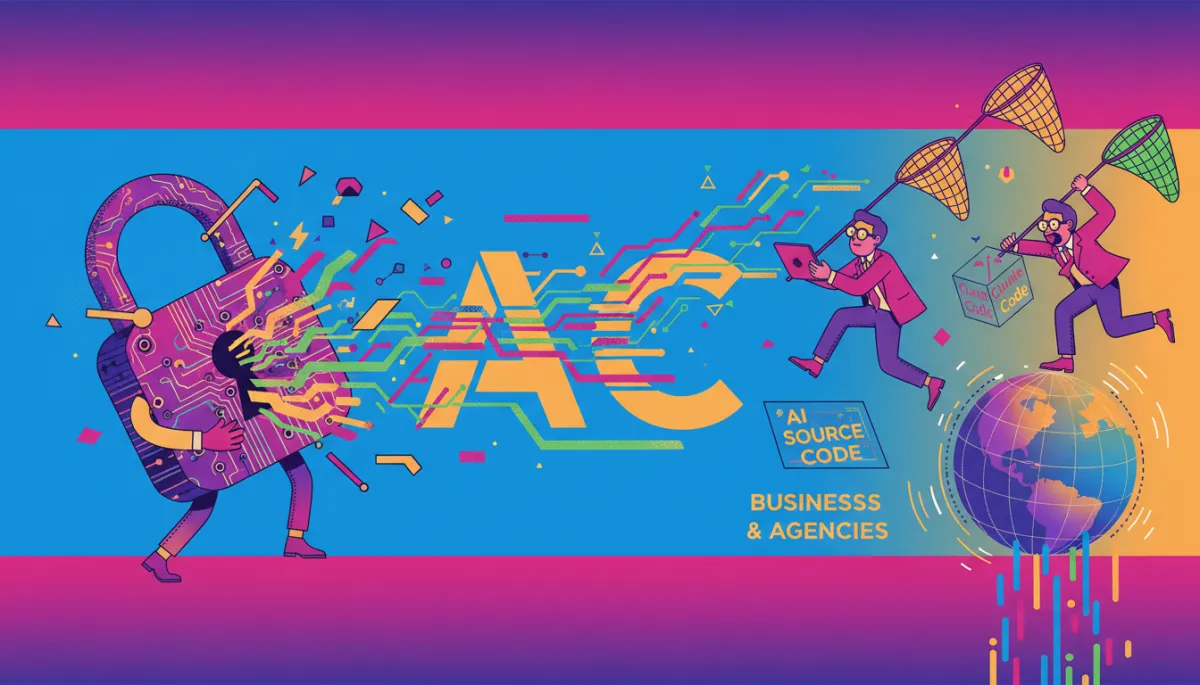
But buried inside that release was a tiny mistake with enormous consequences: a 59.8 MB source map file, cli.js.map, that should never have seen the light of day. Instead of just minified JavaScript, the package now carried the unvarnished AI source code behind Claude Code—about 512,000 lines of TypeScript, spread across nearly 2,000 files (TechRadar, NDTV).
Within hours, a security researcher flagged the leak on X. Forks and mirrors started popping up on GitHub. What had been Anthropic’s carefully guarded internal blueprint was suddenly a public dossier, pored over by competitors, hobbyists, and adversaries alike. For many leaders, it felt like watching the backstage plans for their most trusted digital colleague get pinned to a public noticeboard.
Inside the machine: what the leak really revealed
To the wider world, “AI source code leak” sounds abstract. To businesses running on Claude Code, it was uncomfortably specific. Analysts digging through the files found internal architectures, telemetry systems, and even a “self-healing memory” design that hinted at how Claude maintains and repairs its own working context (Economic Times).
There were also whispers of the future: references to unreleased model codenames like Capybara, Fennec, and Numbat; mentions of undercover modes and experimental features that had never made it into marketing decks. For agencies and enterprises, it was like seeing the next two seasons of a hit series leaked in one night—thrilling, but also deeply unsettling when that series underpins your workflows and client deliverables.
📌 Key Takeaway: The leak exposed Anthropic’s engineering playbook, not your data or model weights—but blueprints can be just as strategically valuable as the finished product.
Anthropic’s response: human error in a high‑stakes world
Anthropic moved quickly. The company confirmed the incident, stressed that it was the result of human error in release packaging rather than a malicious breach, and emphasized that no customer data or credentials had been exposed (TechRadar, Axios). DMCA takedown notices followed, aimed at scrubbing public forks and mirrors where possible. Meanwhile, new safeguards and stricter release protocols were promised to prevent a repeat.
Yet this wasn’t a one‑off embarrassment. It was the second such exposure of Claude Code internals in just over a year. That pattern drew the attention of U.S. lawmakers. Representative Josh Gottheimer sent a pointed letter to CEO Dario Amodei, asking what this meant for national security—especially given Anthropic’s work with the Pentagon (Axios). Suddenly, a packaging mishap had become a geopolitical talking point.

Smart teams turned the Claude Code leak into a catalyst for stronger AI risk governance.
What it means for businesses and agencies using Claude Code
If your agency or enterprise has woven Claude Code into daily work—automating tests, drafting code, triaging tickets—the natural question is simple: “Are we still safe?”
Your data: According to Anthropic, no customer data, API keys, or credentials were part of the leak. The exposed AI source code shows how the tool works, not what your teams have done with it.
The models: Model weights—the crown jewels of any AI company—were not included. What leaked was the agentic “harness” around those models: the orchestration, memory, and tooling logic that turns raw intelligence into a developer‑ready companion.
The risk: Competitors and adversaries now have a detailed map of how Claude Code behaves. That can accelerate copycats—and, more importantly, help sophisticated attackers probe for weaknesses or ways to skirt guardrails (Fortune, NDTV).
For many leaders, the leak has become a quiet forcing function: a reminder that “trusting AI” isn’t just about performance benchmarks, it’s about operational security, vendor transparency, and your own internal guardrails.
💡 Pro Tip: Treat AI tools like any other critical supplier. Ask for security whitepapers, incident reports, and concrete details on how release processes have changed since the leak. If you want expert partners to pressure‑test your AI stack and design a roadmap that scales profitably, connect with our team and we’ll walk you through what “wise implementation” looks like for your business.
Turning a leak into a leadership moment
The most resilient organizations won’t remember the Anthropic leak as a scare; they’ll remember it as an inflection point. In boardrooms and agency stand‑ups, it’s already prompting a new set of conversations:
Do we have an AI risk register? Not just a spreadsheet of tools, but a living document that tracks where AI is embedded, what data it touches, and what happens if a vendor stumbles.
Who owns AI governance? Is it IT? Legal? The innovation team? Or a cross‑functional council that can weigh speed against safety when a new feature—like Claude Code’s Auto Mode—lands on your doorstep (ClaudeLab).
What’s our plan B? If a critical AI partner faces sustained scrutiny, outages, or regulatory pressure, can your teams gracefully fail over to alternatives without losing clients or momentum?
If you’re not sure where to start, our team can help you map your current AI footprint, identify the highest‑leverage use cases, and build an implementation plan that protects your downside while expanding your margins. Reach out to explore what a tailored AI roadmap could look like for your leadership team.
Beyond the headlines: choosing your AI narrative
Anthropic built Claude with a promise: helpful, honest, and harmless AI, aligned with human values. That mission hasn’t vanished because of a packaging mistake. Claude Code continues to ship new capabilities—deferred permissions, non‑blocking tool connections, flicker‑free terminals—that help teams automate responsibly (ClaudeLab).
But the Claude Code AI source code leak has added a new chapter to the story businesses tell themselves about AI. It’s no longer enough for a tool to be powerful or delightful. It must be transparent, resilient, and professionally run—because your brand, your clients, and in some cases your regulators are watching.
In the end, the question isn’t whether AI vendors will make mistakes. They will. The real question for every business and agency is this: When the curtain slips, are you ready to respond with clarity, confidence, and a plan? If the answer is yes, then even a headline‑grabbing leak can become what every strategist secretly hopes for—a story that pushes your organization to grow up faster than the competition.
If you want a partner to help you turn this moment into a competitive advantage—by implementing AI in ways that are safe, aligned, and profit‑driven—connect with our team. We’ll help you design and deploy AI systems that your executives, operators, and customers can all trust.